
About This Recipe
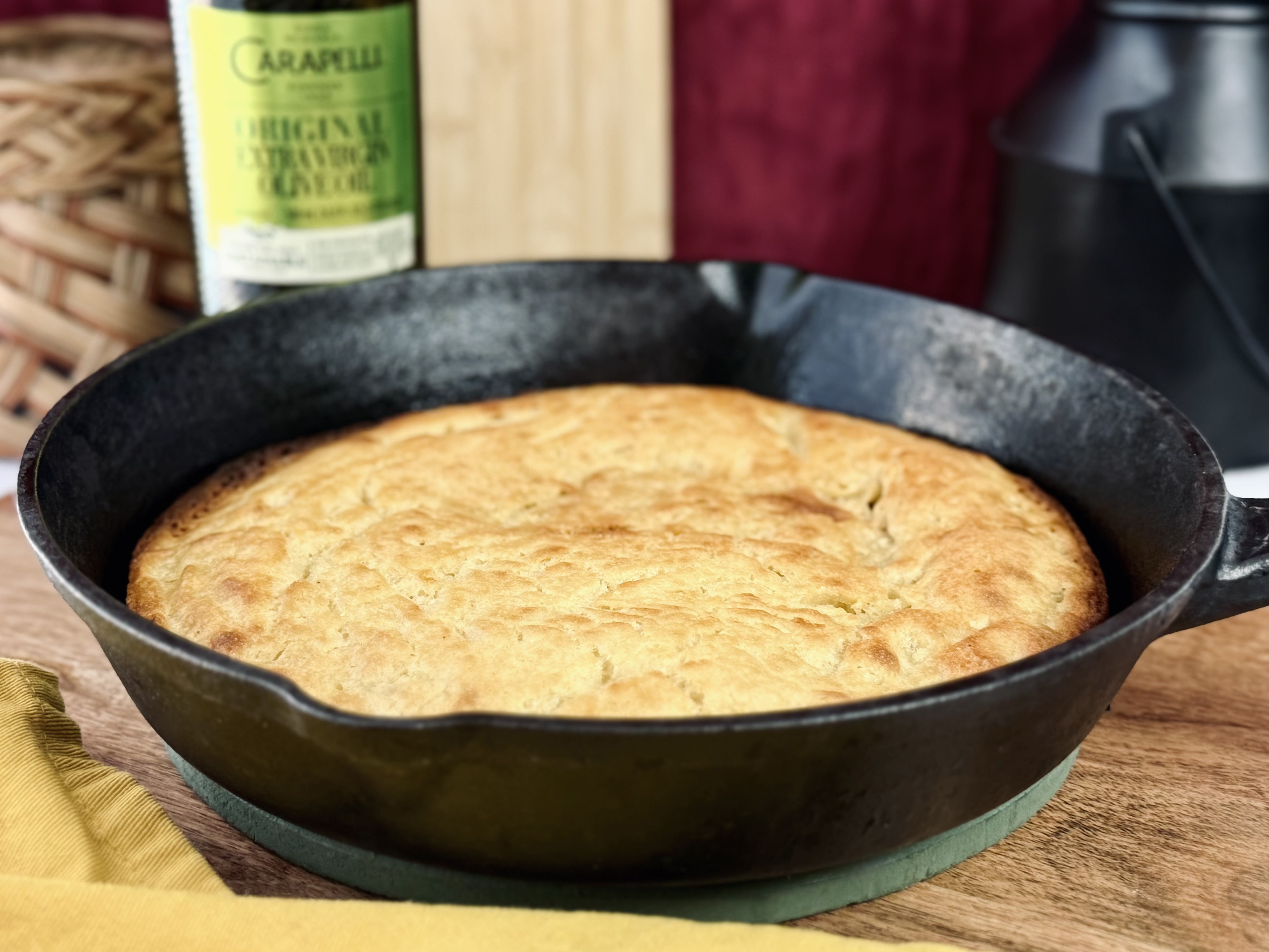
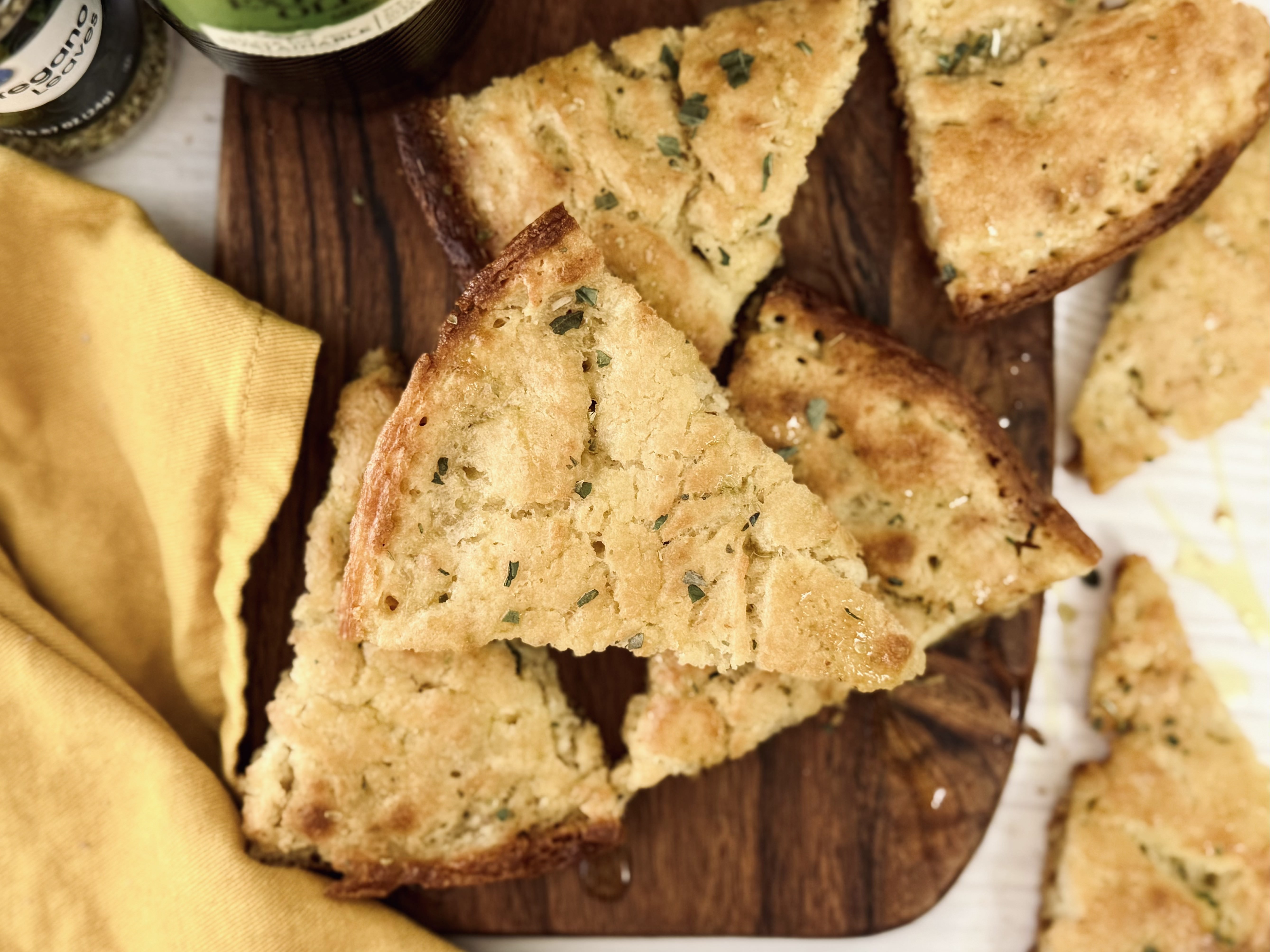
Crispy, savory, and endlessly adaptable, this sourdough chickpea flatbread is my go-to when I need something quick, nourishing, and satisfying. Whether you’re using it as a pizza base, scooping up hummus, or layering it with roasted veggies, this socca-style bread comes together easily and on your timeline, thanks to flexible fermentation.
What Is Socca?
Socca is a rustic flatbread with roots in the south of France, traditionally made with chickpea flour and cooked in a blistering hot pan or oven. The result? Golden, crisp edges and a tender center that’s bursting with flavor. It’s naturally gluten-free, beloved for its nutty flavor, crispy texture, and versatility. Whether served plain, peppered with herbs, or topped like pizza, it’s a street food classic with endless uses.
What I Love About This Recipe
This is one of those rare recipes that’s fast, flexible, and made from pantry staples. Since it’s a discard recipe without chemical leavening (like baking powder or soda) or perishable ingredients (like banana, eggs, or butter), you can ferment it to your hearts content. The chickpea flour gives it a protein boost and rich flavor, while the texture stays crispy on the outside and tender inside. Eat it simply with olive oil and herbs, or load it up with toppings.
How To Make This Recipe Gluten-Free
Even though traditional socca is gluten-free, adding sourdough starter changes that. While there’s no unfermented wheat flour in the mix, some folks may still prefer the dish to be entirely gluten-free. If that’s you, you’re in luck—it’s an easy swap! Just use your gluten-free sourdough starter instead (even better if it’s chickpea-based!) for 100% gluten-free, or build a quick levain using 1 teaspoon of sourdough starter, 58 g of chickpea flour (scant 1/2 cup), and 58 g of water (scant 1/4 cup) for mostly gluten-free. Let it rise until it peaks (or even passes peak, since this is a discard-friendly recipe) and you’re good to go!
All The “Why’s”
Chickpea Flour
Socca is a naturally gluten-free flatbread made with chickpea flour instead of wheat flour. That means chickpeas are the star of the show, binding the batter together and giving the flatbread its signature nutty flavor and tender texture.
Chickpea flour benefits from time to hydrate, making this the perfect make-ahead batter. I’ll explain more on that below.
Sourdough Discard
If you’re here, you probably know that adding sourdough to just about everything is kind of my thing. And if you’re a gluten-free sourdough baker, good news: swapping in your gluten-free discard works just as well. The stage of your discard doesn’t really matter—results might vary slightly, but not enough to notice. So whether your discard is fresh, thick, and bubbly or old, run-down, and acidic, it’ll still do the job.
Hydration & Consistency
The batter should be thin, like a crepe batter or like heavy cream: 100% hydration and super smooth. While it took some trial and error, I think I finally nailed a foolproof balance in the recipe below. A wet batter helps prevent any gluten development during fermentation, which is key to keeping the texture close to traditional socca. Plus, it needs to be pourable: once it hits the hot skillet, you won’t have much time to spread or adjust it before it starts to set.
Olive Oil
Funny enough, olive oil is a fat, an ingredient that is usually added to help retain moisture and boost softness. But even in a crispy recipe like this, olive oil still plays an important role. It adds flavor, of course, but it also helps with texture and flakiness, which is especially important in a gluten-free flatbread. We want a crisp bite, but not something so hard it’ll crack a tooth. Olive oil helps strike that balance.
Salt
Well, we can’t have a recipe without salt! Salt helps bring out all the flavors in any recipe, and this flatbread is no exception. Without it, the final result might taste a little flat or bland.
Want to take it up a notch? Try adding your favorite herbs (fresh or dried) to the mix as well. Think rosemary, basil, oregano, thyme… whatever you love.
Method
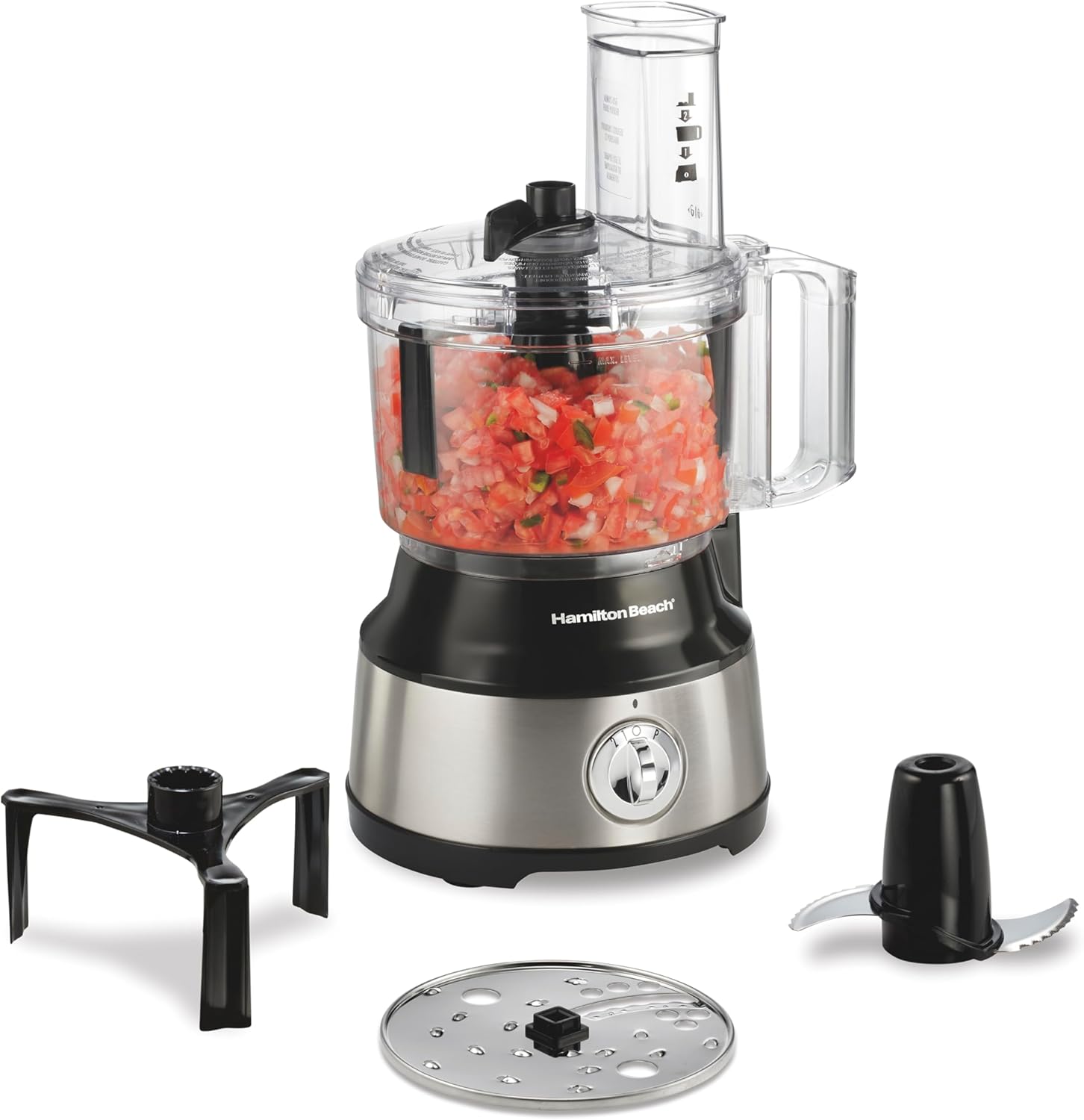
Personally, I love using a blender or food processor for discard recipes where a smooth, well-mixed batter is key. My discard tends to be thick, stringy, and a little tough to incorporate (it’s well-kept and made from bread flour), so the blades help tear apart any remaining gluten and create a really smooth batter. This recipe is no exception. Socca is meant to be gluten-free, so we want a lump-free batter with minimal gluten structure, making the food processor a smart (and efficient!) choice. That said, if you need a different method, you can simply whisk by hand or with a handheld mixer. Just make sure the batter is totally smooth before you move on.
Make-Ahead
Chickpea flour needs time to hydrate, which makes this the perfect make-ahead recipe. Letting the batter sit on the counter for at least thirty minutes allows for full hydration and a bit of fermentation, both of which improve the final texture and flavor. That said, I’ve left this batter out for up to four hours with great results. You can even mix it twelve or twenty-four hours in advance and store it in the fridge until you are ready to use it. It’s super flexible—perfect for any schedule.
Skillet / Baking
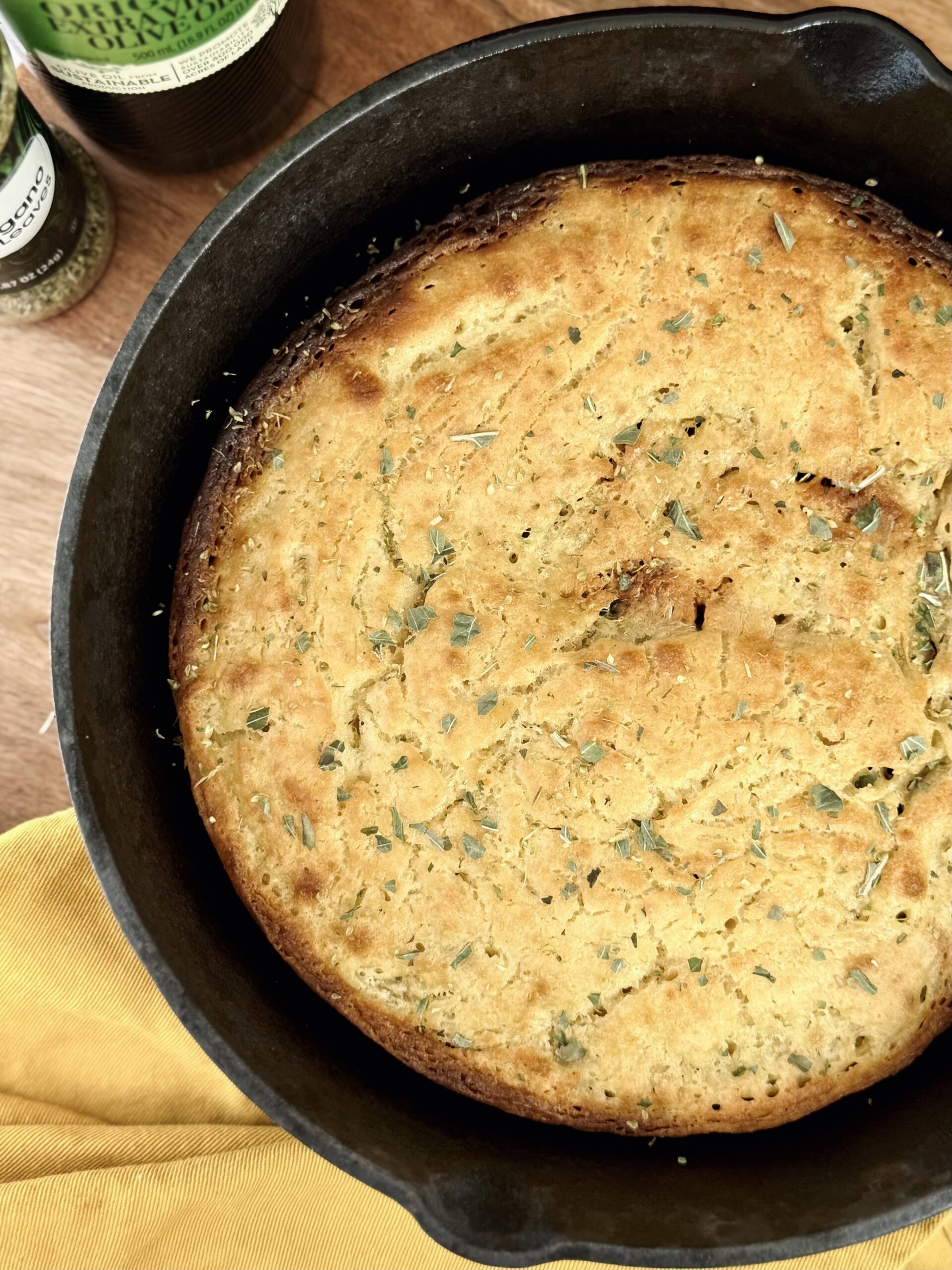
For this recipe, we use a piping hot skillet drizzled with olive oil before pouring in the batter. That initial heat sets the bottom crust, giving the flatbread its signature crispy texture, while the olive oil prevents sticking and adds flavor. Then it goes into a blazing, 475 F (245 C) oven to finish cooking fast (and crisp!), under the broiler (if possible) to more closely mimic a wood-fire oven. Yum!
📌 Quick Tip: Read the recipe in its entirety before you start cooking. This will help you understand the ingredients, steps, and timing involved, and allow you to prepare any necessary equipment or ingredients beforehand.

Socca
Ingredients
Instructions
-
Make the batter.
Whisk or blend all ingredients for the batter until smooth, scraping down the sides as needed.
Leave the mixture in a blender or food processor, or transfer it to a 2-cup container. Cover and set aside while you preheat the oven, or place in the fridge to bake later.
The batter should rest on the counter for a minimum of 30 minutes to allow the chickpeas to fully hydrate; however, you can let the batter rest and ferment even longer (I've tested up to 4 hours). Alternatively, you can place the batter in the fridge for 12-24 hours before baking. -
Preheat the oven.
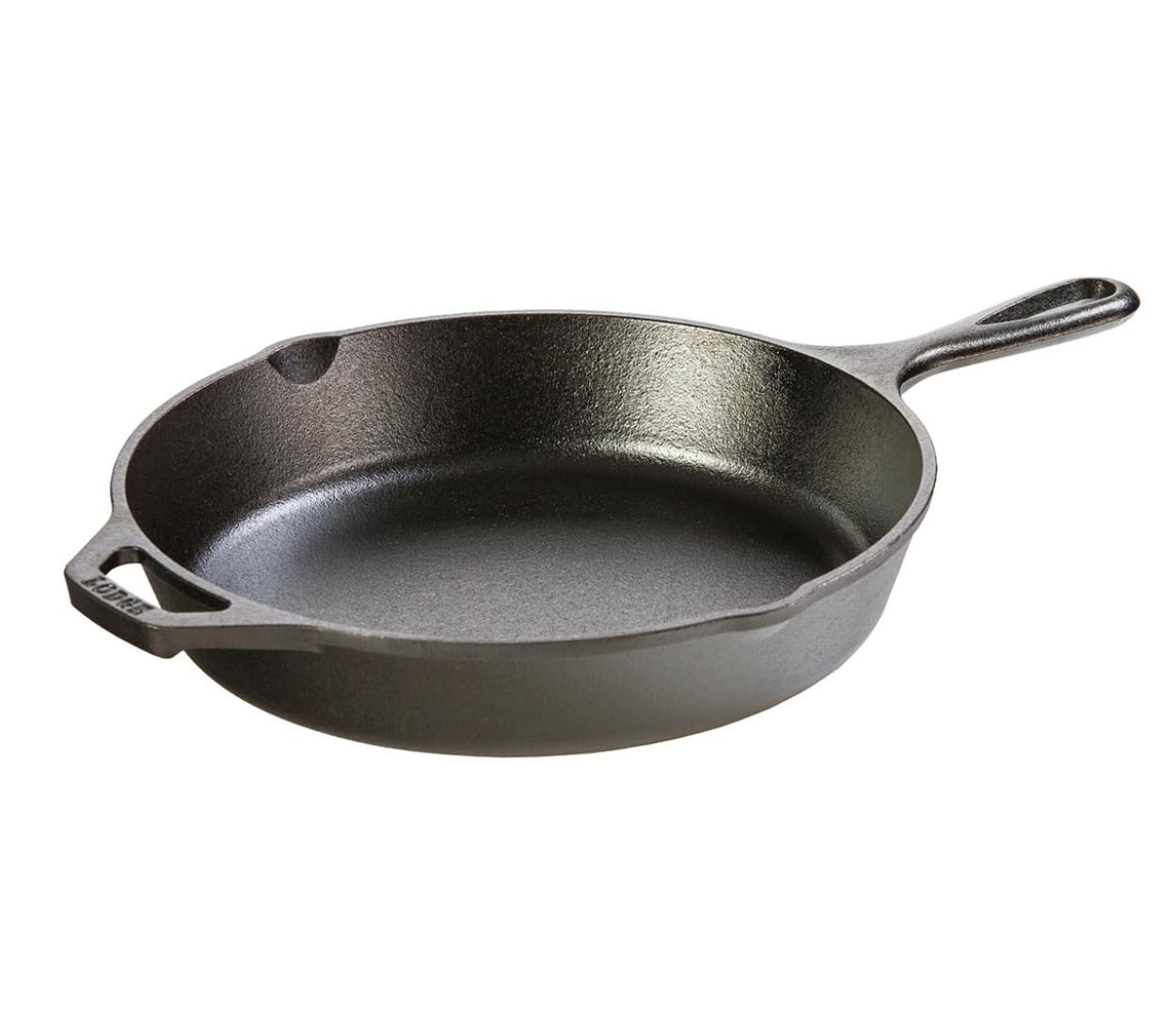
Preheat an oven to 475 F (245 C) with a 10-inch cast iron skillet inside for at least thirty minutes before baking. If your oven has top heat, you can cook this flatbread directly underneath it.
We want the skillet to be piping hot, which will lend the best crust. -
Prepare the skillet.
Remove the skillet from the oven and brush or drizzle generously with extra olive oil.
-
Transfer the batter.
Pour all of the batter onto the skillet and spread it out to create a thin pancake. Work quickly, as the bottom will set fast!
-
Bake.
Bake for 12-14 minutes, or until the socca is well-browned and crisp along the edges. Do not underbake! The crispier, the better.
Optionally, you can broil in the last 2-4 minutes to help the top crust brown a little better.
The top will not brown too deeply since this recipe does not contain ingredients that encourage a Maillard reaction (think milk, butter, sugar). -
Cool slightly and enjoy!
Remove from the oven, let it cool slightly, then slice and serve! Socca is best warm, fresh from the oven.
You might need...
Affiliate Disclosure: This post contains Amazon affiliate links. This means when you buy a product using one of my links, I may receive a small commission at no cost to you. Thank you, in advance, for supporting my work.
Nutrition Facts
Servings 4
- Amount Per Serving
- Calories 184.26kcal
- % Daily Value *
- Total Fat 6.31g10%
- Saturated Fat 0.89g5%
- Sodium 191.69mg8%
- Potassium 172.61mg5%
- Total Carbohydrate 24.96g9%
- Dietary Fiber 2.41g10%
- Sugars 3.14g
- Protein 6.88g14%
- Vitamin A 0.32 mcg
- Calcium 23.4 mg
- Iron 1.98 mg
- Vitamin E 0.84 mg
- Vitamin K 4.39 mcg
- Thiamin 0.29 mg
- Riboflavin 0.14 mg
- Niacin 1.73 mg
- Vitamin B6 0.11 mg
- Folate 87.81 mcg
- Phosphorus 83.17 mg
- Magnesium 36.72 mg
- Zinc 0.77 mg
* Nutrition values are auto-calculated and should be used as an approximation only.

Notes
- Storage: Socca is best served fresh, straight from the oven. If needed, store in a zip-top bag on the counter for 1-2 days or in the freezer. Toast to warm.
- To make this a pizza crust, bake completely as directed, then remove from the oven, top, and bake again for 3-8 more minutes until the cheese is melted and the toppings are cooked to your liking.